
This incident draws attention to three distinct areas of concern for Solent Protection Society:
Environmental Impacts of Pollution
The volunteer trustees of the Solent Protection Society are all too familiar with the environmental damage caused by sewage discharges from Southern Water’s combined sewer overflows. Yet, at the eastern end of the Solent, we have recently encountered something altogether unexpected – fruit pollution.
What may sound like a light‑hearted remark in fact conceals far more serious concerns, which our eastern Solent representative has been examining along the Selsey shoreline. On Saturday 6 December, sixteen containers were lost from the deck of the Baltic Klipper near the Nab Tower. Their contents – plastic trays filled with polythene bags of bananas, plantains, and avocados – were released into the sea.
More troubling, however, was the break‑up of the containers themselves: aluminium wreckage and large quantities of polyurethane foam used to insulate the refrigerated units have also entered the marine environment.
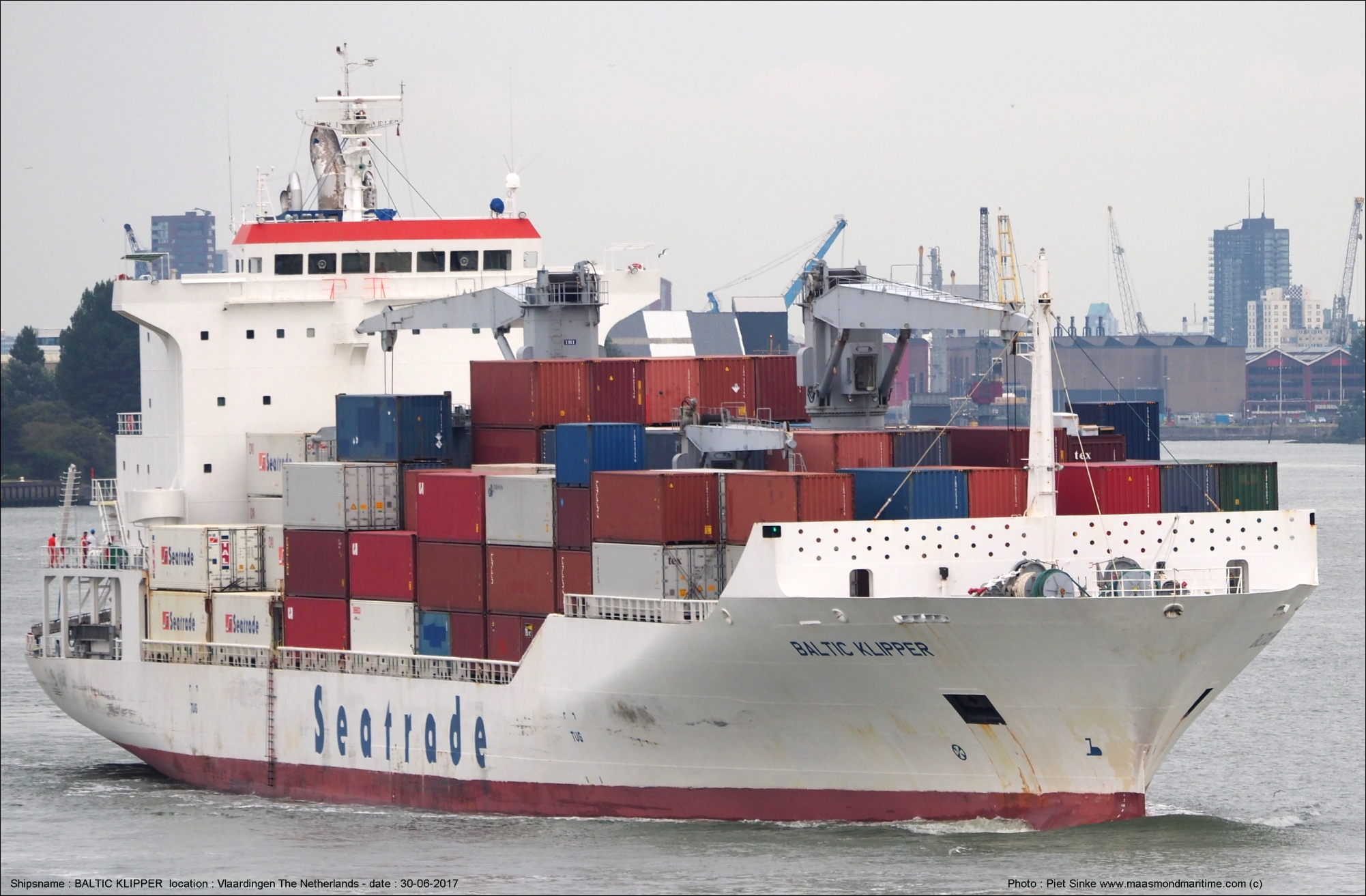
By Monday, seven of the containers had fetched up on the shore just east of Selsey Bill, two more at Pagham Harbour and a further two at Bognor Regis. At the time of writing, five remain missing. On Monday afternoon our local representative was on site at both West Beach and East Beach, either side of Selsey Bill, the easternmost point in the Solent. To the west, bags and bunches of bananas were stranded above the tideline while to the east, the wreckage of the stranded containers lay along the beach. By time we visited, it was clear that the local community had already been hard at work recovering as much of the larger plastic wreckage and fragments of polyurethane foam as they could, piling it above the high tide line.
In the aftermath of Storm Bram, high winds and powerful waves are rapidly breaking the polyurethane foam into tiny particles that pose a real threat to local wildlife. SPS concern over the issue, raised with a BBC journalist on site, was also carried on national radio news bulletins, emphasising the country-wide interest in the unfolding crisis. This is of particular concern given the nearby RSPB reserves at Medmerry and Pagham Harbour. Coastal birdlife – particularly seabirds, shorebirds, and wading birds – is at significant risk from polyurethane fragments.
The clean-up task is not going to be easy and the seasonal weather is unhelpful. The sea defence groynes visible in the image below will make access to the container wreckage difficult. The high landward bund acts as a flood barrier to the housing, but it also prevents easy equipment access to the beach from the East Beach car park which was already being used by the Ambipar response team as an equipment staging area within 48 hours of the spillage.
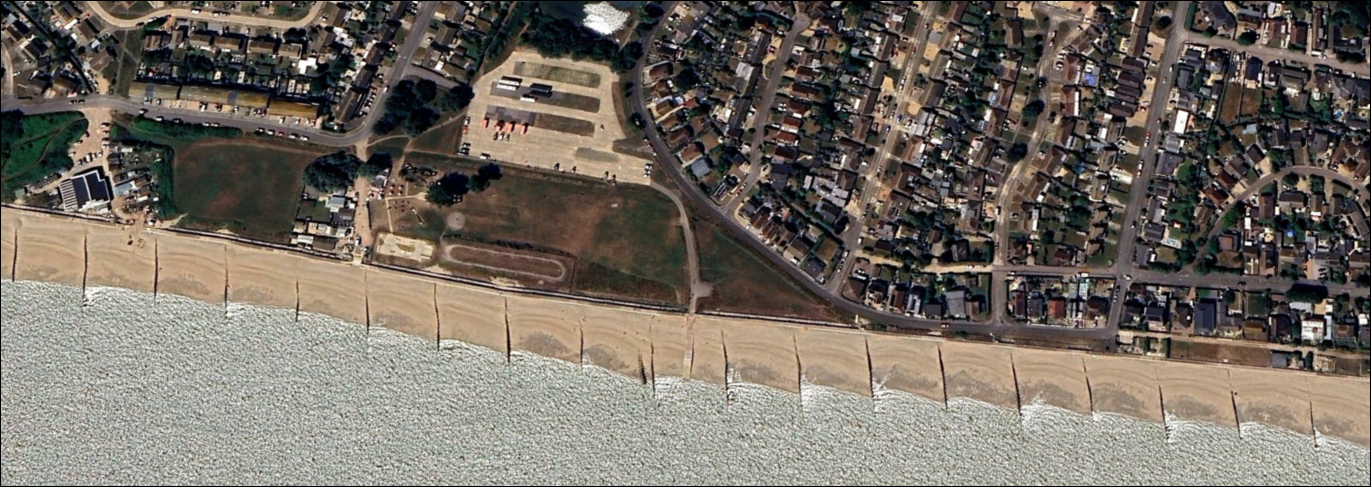
The existence of the bund will force the clean-up crews to rely on beach-level approaches, constrained not just by the tides and weather, but by the existence of the groynes. These have been trapping the wreckage but are themselves being damaged by the battering from the containers.
Stronger waves, unpredictable surges, and shorter daylight hours all reduce safe working windows and even if equipment can be mobilised, crews may only have narrow tidal opportunities to reach and recover wreckage.
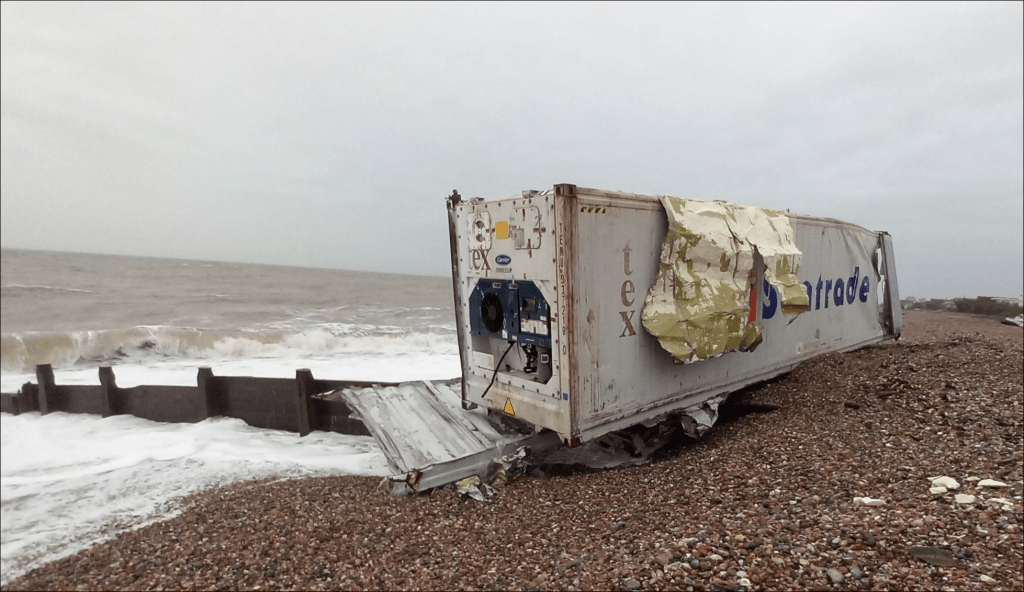
The clean-up project is being coordinated by West Sussex County Council. For latest status, please refer to the WSCC project page at this link.
Climate Change Adaptation
The Baltic Klipper incident highlights how vulnerable the Selsey Peninsula is to the impacts of climate change, and it brings into sharp focus the wider debate over whether to build hard sea defences or to adopt managed coastal retreat. This is a challenge faced by local authorities all around the UK coastline. In the Solent, the issue is especially relevant to smaller communities in environmentally protected harbours and estuaries, where managed retreat is often favoured over the high costs of major defence works. This presents an interesting case study on how coastal defence infrastructure, while vital for long-term protection, can complicate emergency response. It’s also a reminder of the tension between designing for resilience and maintaining operational flexibility.
Twelve years ago, the Society reported the opening of the Medmerry managed retreat initiative, created through the Environment Agency’s partnership with the RSPB. Looking at the map today, the formation of the second tidal inlet north of the Selsey community present a slightly more ominous and potentially threatening aspect.
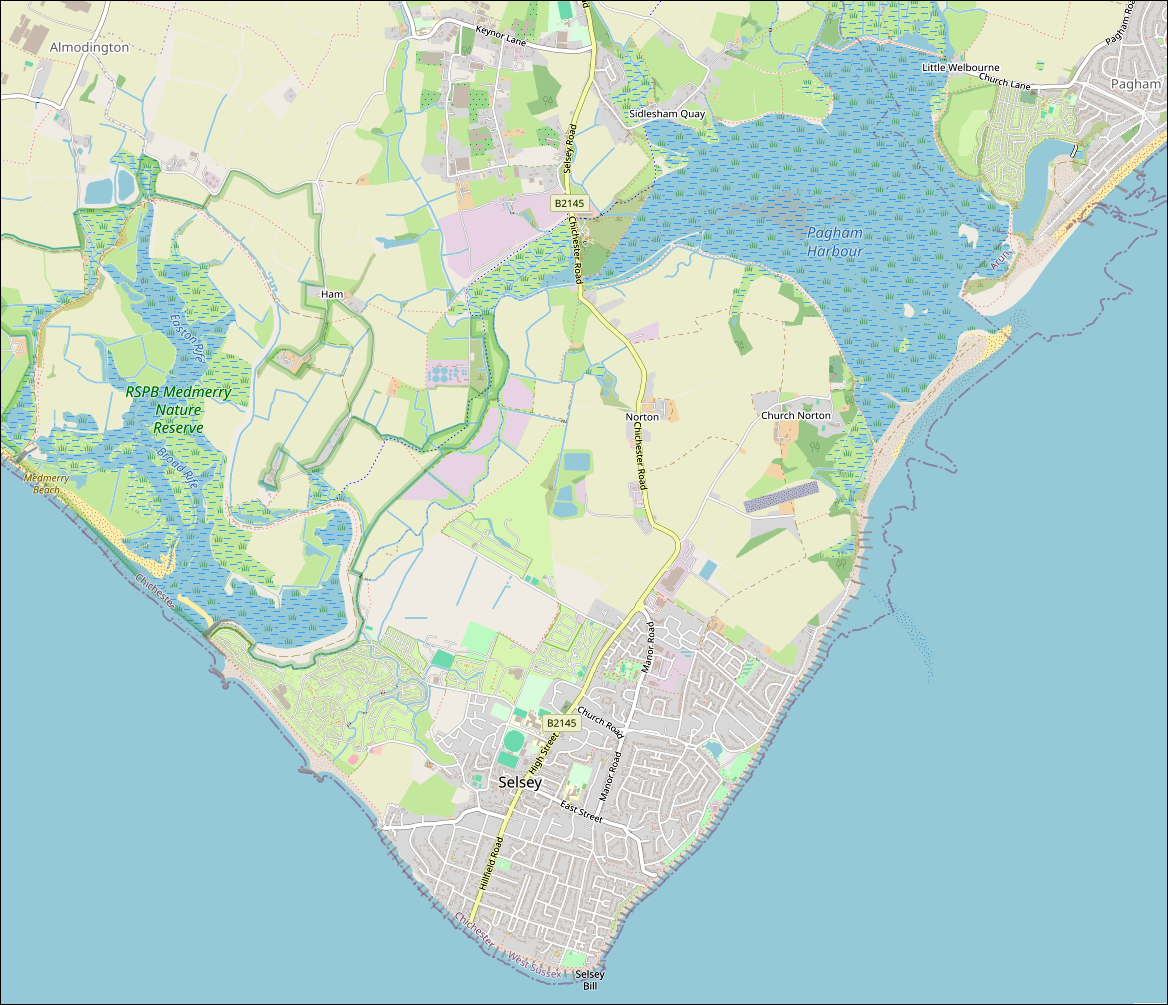
The Solent Protection Society has long drawn attention to the vulnerability of Hurst Castle and the Hurst Spit to the west, and this latest incident now reinforces the need for closer monitoring of Selsey Bill. With prevailing south‑westerly winds driving the seas and no shelter from the Isle of Wight, the coastline around Selsey Bill is particularly exposed to heavy wave action.
Maritime Safety
We will have to wait for the Marine Accident Investigation Board to understand the root cause of this container spillage, but a first indication has come from the vessel’s owner, Seatrade Group. In an early comment on the incident, the company’s spokesman, Cor Radings, stated that: “She started rolling while she was heading for Portsmouth on Saturday [6 December] and that resulted in the loss of 16 boxes, five of which are empty.”
The Society will review the eventual report from the Marine Accident Investigation Board with interest. With ever‑larger commercial ships regularly passing the Nab Tower on their way into Southampton, we are reminded of the Hoegh Osaka incident on Brambles Bank in 2012. In that event, a car carrier leaving port ran aground after stability problems during loading could not be corrected by on board systems. Strong tidal flows in the Solent and the sharp turn around Brambles Bank made the situation worse, highlighting the challenging and hazardous nature of this busy waterway.
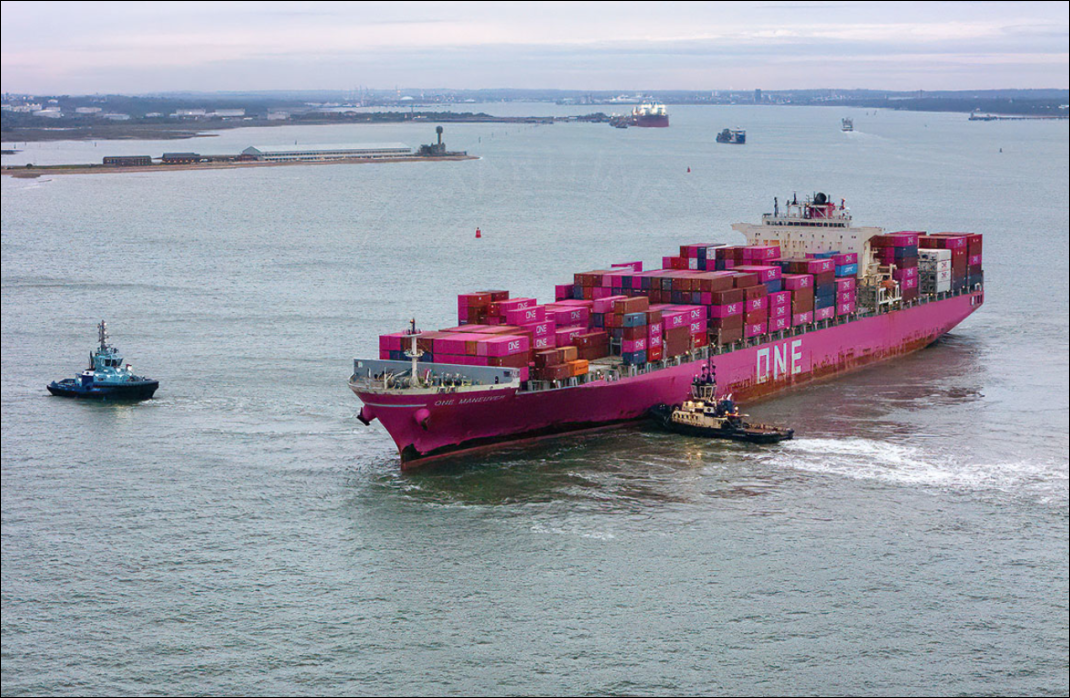
Could a chain of similar problems ever lead to containers being spilled in the Solent from a large vessel negotiating the sharp turn around Brambles Bank? The risk is considered very low, though not entirely absent. Modern container ships are built differently, and loading practices have been tightened since the Hoegh Osaka investigation, making such an outcome unlikely. Even so, strandings of large container ships on the bank do occur — notable examples include the APL Vanda in 2016 and the One Manouvre in 2024.
Solent Protection Society will be keeping a close eye on the wider fallout from the Baltic Klipper container loss.
 Solent Protection Society