
The Solent coastline is one of the most environmentally sensitive and socially diverse areas in southern England. It is home to internationally designated habitats, long-established communities, and a coastline that supports recreation, industry and wildlife in close proximity. Any major development therefore brings both opportunities and responsibilities.
Solent Protection Society volunteers are currently monitoring two large industrial development proposals for the Dibden Bay and Fawley Waterside areas. At the northern end of Dibden Bay, adjacent to the former Marchwood military port, Associated British Ports (ABP) proposes to develop a second phase of the Solent Gateway port facility to handle the import and export of vehicles. Further south Hynamics, a UK subsidiary of EDF, is seeking early representations for a proposal to build a green hydrogen plant on the former site of Fawley power station, connected by new pipelines under Ashlett Creek to the ExxonMobil Fawley refinery site. This post gives a brief overview of both proposals, and refers to further detail in separate articles.
Solent Gateway 2
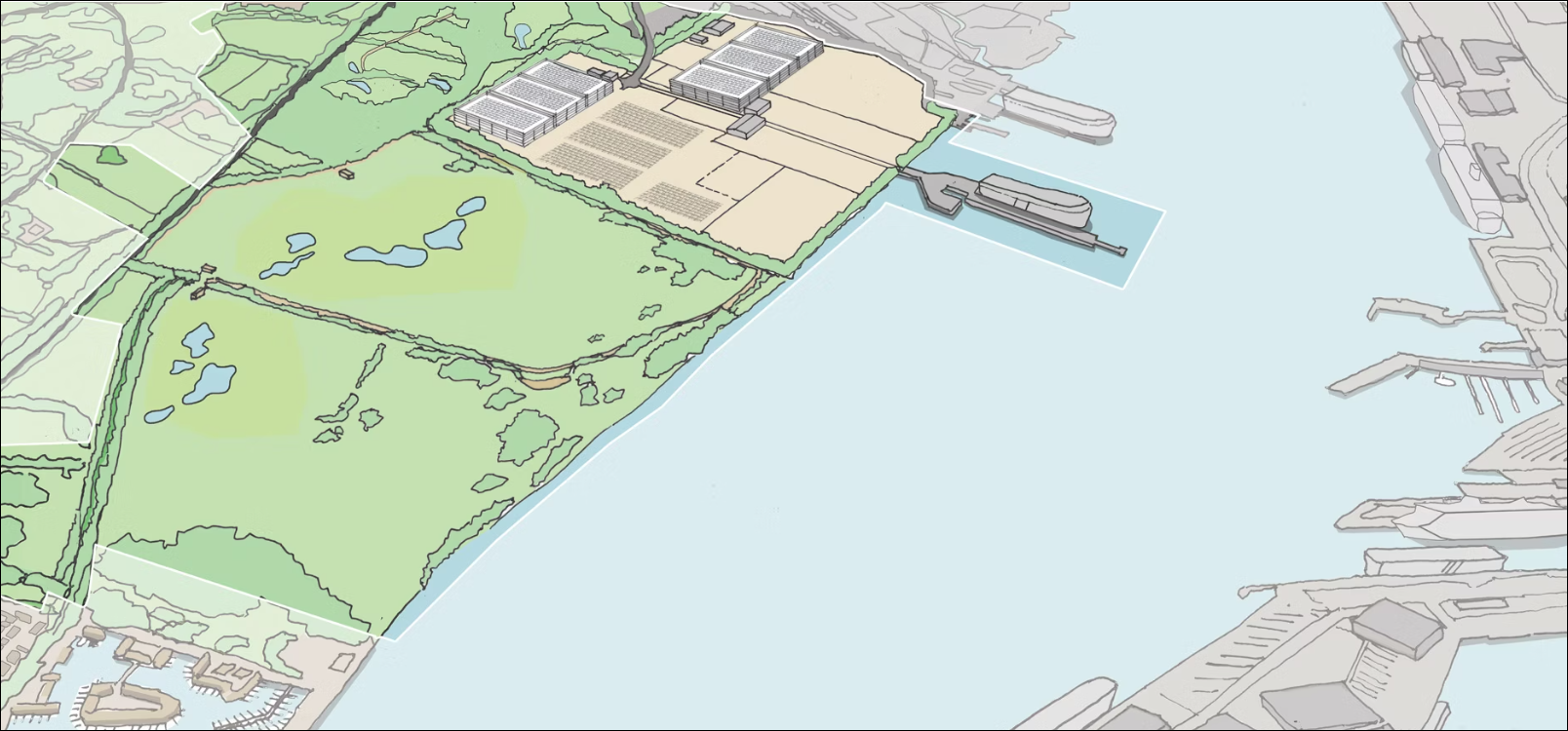
The Solent Gateway 2 project from ABP proposes to rebalance and expand the company’s existing port facilities between the eastern and western shores of Southampton Water, developing new vehicle import and export facilities south of its existing facilities at Marchwood. While the project could deliver economic benefits, such as job creation and improved connectivity, it would also introduce changes that may be felt locally. Residents in local communities are understandably attentive to issues such as increased traffic, noise, lighting, and visual intrusion, particularly given the close relationship between residential areas and the port’s operational boundary.
EDF/Hynamics Green Hydrogen plant
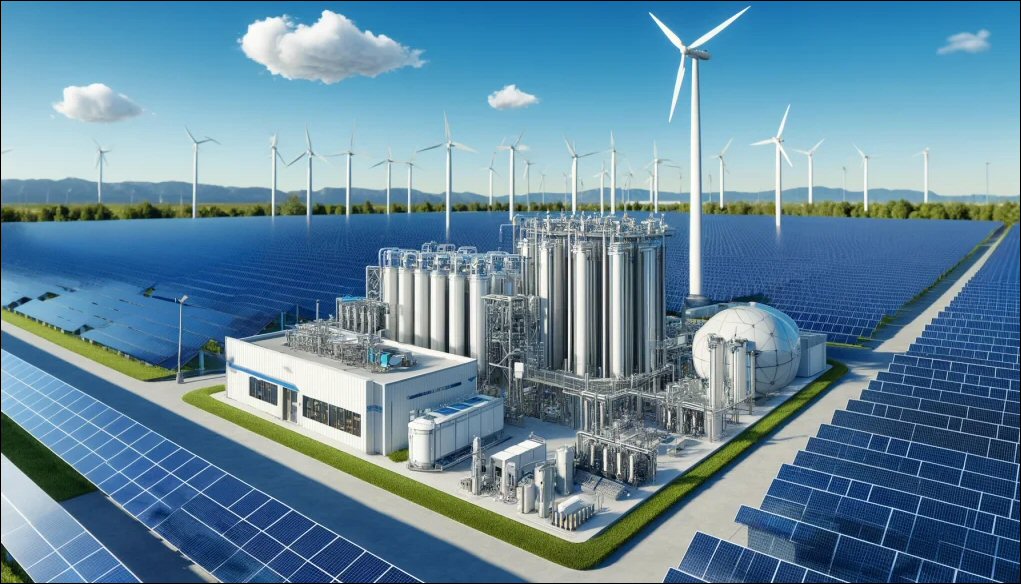
The EDF Fawley Green Hydrogen proposal introduces a different, but equally important, set of considerations. Hydrogen production powered by renewable energy is an emerging technology, viewed as a low-carbon alternative for hard-to-decarbonise industrial sectors such as oil refineries. The company proposes to construct a plant in which a large-scale electrolyser would be used to generate green hydrogen in support of ExxonMobil’s efforts to decarbonise its refinery activity.
The proposed electrolyser facility would be situated near the boundary of the New Forest National Park, in close proximity with several coastal sites with national and international environmental designations. Local communities around Fawley, Holbury and Ashlett Creek are likely to be concerned about industrial intensification, potential construction impacts, and how changes at the former power station site could affect the broader Waterside landscape.
Further reading
The proposals for Solent Gateway 2 at Marchwood and the EDF Green Hydrogen Project at Fawley represent significant investments in the region’s infrastructure and energy future, and their potential impacts – particularly on neighbouring communities and the surrounding natural environment – warrant careful consideration from the outset.
Both development sites border areas of ecological significance, including the Special Protection Areas (SPAs), Sites of Special Scientific Interest (SSSI) and Ramsar sites of the Solent and Southampton Water, which support migratory birds, intertidal habitats, and diverse marine species. Any intensification of activity has the potential to influence water quality, shoreline processes and disturbance patterns, all requiring robust evidence, mitigation measures and transparent consultation.
Taken together, the Solent Gateway 2 and EDF green hydrogen proposals represent significant change for the Waterside area. Both projects have the potential to contribute positively to regional economic resilience and the UK’s transition to cleaner energy. Yet they also sit within a complex environmental and social setting where cumulative impacts must be properly considered. The local communities already experience traffic pressures, air-quality concerns and landscape change, while the Solent’s protected habitats face long-term ecological challenges.
The success of these proposals will depend not only on their technical and economic merits but also on the extent to which they minimise and mitigate environmental impact, respect the character of local places, and genuinely address the concerns of those who live nearby.
In two companion posts for which links are provided below, we cover further information about both proposals:
ABP – Solent Gateway 2 proposal
EDF/Hynamics – Fawley green hydrogen proposal
SPS will continue to monitor both of these proposals and will publish our observations on this website as further details emerge throughout 2026.
 Solent Protection Society